




Top Institutions in Ophthalmology - Retinal Imaging
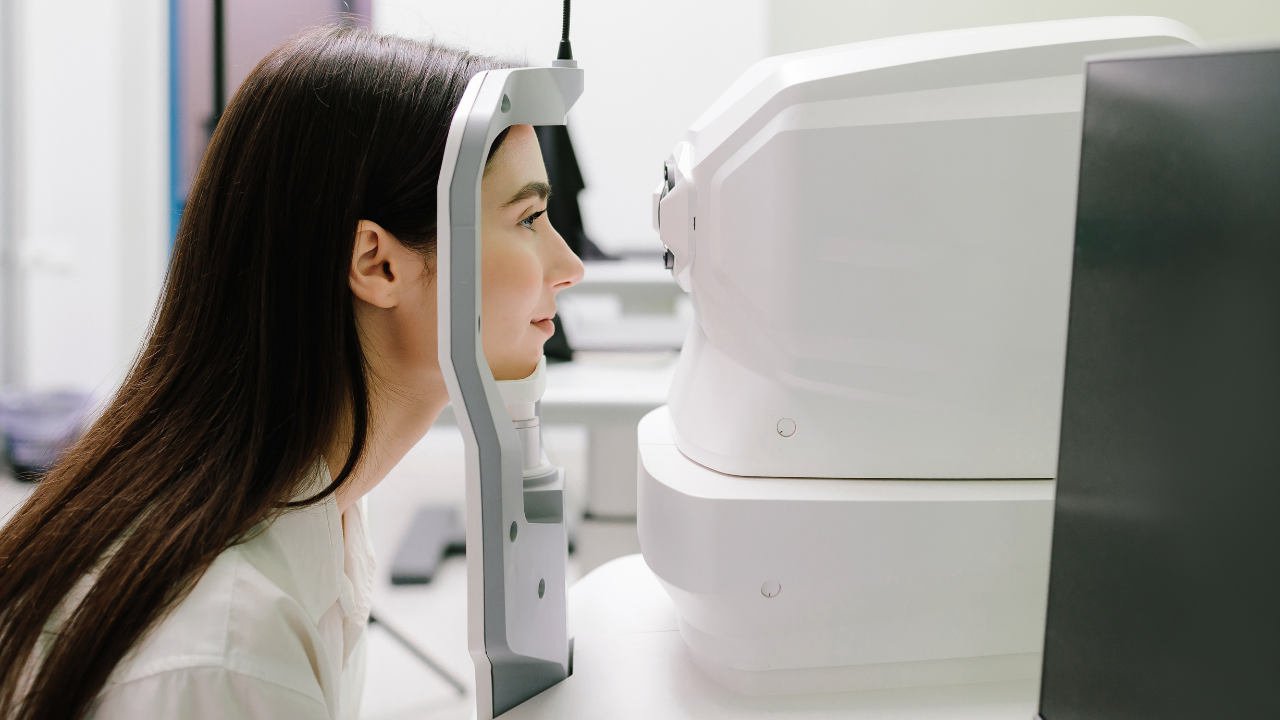
Institutions leading in retinal imaging combine clinical ophthalmology expertise with cutting-edge biomedical engineering and AI research, often collaborating with industry to develop and validate novel imaging devices and algorithms. Their methodologies include clinical trials, longitudinal patient monitoring, and translational research integrating imaging technology with patient care.
-
#1

Massachusetts Eye and Ear Infirmary
Boston, MA
Massachusetts Eye and Ear is a global leader in retinal disease research and imaging technology development, with strong clinical programs and collaborations with MIT and Harvard that drive innovation in OCT and AI-based retinal diagnostics.
-
#2
Bascom Palmer Eye Institute, University of Miami
Miami, FL
Bascom Palmer is renowned for its clinical excellence and research in retinal diseases, with a focus on integrating advanced imaging modalities like swept-source OCT and home monitoring technologies into patient care.
-
#3
Johns Hopkins Wilmer Eye Institute
Baltimore, MD
Wilmer Eye Institute combines clinical expertise with engineering research to advance retinal imaging technologies, including AI-driven image analysis and high-speed OCT systems.
-
#4
University of California, San Francisco (UCSF) Department of Ophthalmology
San Francisco, CA
UCSF is a leader in retinal disease research and imaging innovation, with strong programs in OCT technology development and AI applications for early disease detection and monitoring.
-
#5
Duke University Eye Center
Durham, NC
Duke Eye Center is recognized for its translational research in retinal imaging, focusing on novel OCT technologies and AI-based image analysis to improve patient outcomes.