


Objective:
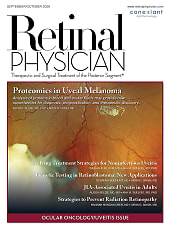
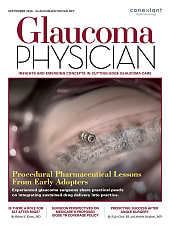
To highlight advancements in retinal care, particularly the role of artificial intelligence (AI) and new treatment modalities, emphasizing their significance in improving patient outcomes.
Approach:
- AI is increasingly utilized in retinal disease detection and patient monitoring, improving early intervention.
- New retinal imaging technologies are enhancing diagnostic capabilities, leading to better patient outcomes.
- Streamlined processes in clinical settings can improve patient care and satisfaction.
- Education and character-based hiring are crucial for effective staff training and retention.
- The article does not provide specific data on the effectiveness of new technologies, which may limit understanding of their impact.
- Potential biases in the selection of featured practices and technologies could affect the generalizability of the findings.
Key Findings:
Interpretation:
The integration of AI and innovative practices in retinal care is transforming patient management and treatment outcomes, necessitating adaptation in clinical practices.
Limitations:
Conclusion:
The advancements in AI and treatment modalities are pivotal for the future of retinal care, emphasizing the importance of education and stress management in clinical settings to enhance patient care.
This content is an AI-generated, fully rewritten summary based on a published scholarly article. It does not reproduce the original text and is not a substitute for the original publication. Readers are encouraged to consult the source for full context, data, and methodology.