
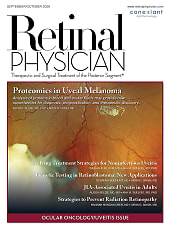
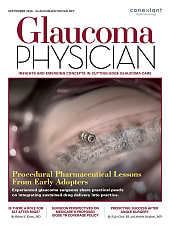


Clinical Report: Advances and Insights in Glaucoma Care - January 2025
Overview
The January 2025 issue of Ophthalmic Professional highlights significant advances in glaucoma diagnosis and treatment, coinciding with National Glaucoma Awareness Month. The issue features expert discussions on minimally invasive glaucoma surgery (MIGS), new pharmacological therapies, and the impact of glaucoma medications on ocular surface health.
Background
Glaucoma remains a leading cause of irreversible blindness worldwide, necessitating ongoing improvements in detection and management. Early diagnosis through dilated eye exams is critical for preventing vision loss. Recent innovations in surgical techniques and pharmacotherapy offer promising options for patients with challenging glaucoma cases. Awareness campaigns during National Glaucoma Awareness Month aim to encourage timely screening and intervention.
Data Highlights
The issue includes multiple expert articles covering: minimally invasive glaucoma surgery devices, latest diagnostic technologies, emerging pharmacological treatments under clinical trials, and the relationship between glaucoma medications and ocular surface health. Additionally, a profile of Advanced Vision Care in Los Angeles demonstrates practical application of advanced glaucoma management strategies.
Key Findings
- Minimally invasive glaucoma surgery (MIGS) devices provide new options for safer, less invasive glaucoma treatment.
- Advancements in glaucoma diagnostics improve early detection and monitoring of disease progression.
- New pharmacological agents are available or in clinical trials, expanding therapeutic choices.
- Glaucoma medications can affect ocular surface health, necessitating careful management to maintain patient comfort and adherence.
- Specialized practices like Advanced Vision Care successfully manage complex glaucoma cases using comprehensive approaches.
- Ophthalmic Professional has enhanced its digital platform to better disseminate clinical knowledge and updates.
Clinical Implications
Clinicians should encourage patients and at-risk individuals to undergo regular dilated eye exams for early glaucoma detection. Incorporating MIGS and new pharmacological treatments can optimize patient outcomes, especially in difficult cases. Awareness of medication effects on ocular surface health is essential to tailor therapy and improve adherence.
Conclusion
This issue of Ophthalmic Professional underscores the dynamic landscape of glaucoma care, emphasizing innovation in diagnostics and treatment. Continued education and awareness efforts remain vital to improving patient outcomes in glaucoma management.
Related Resources & Content
- Shuman JT, Ophthalmic Professional, 2025 -- Viewpoint from the Editor: A Look Back, the New Year Ahead
This content is an AI-generated, fully rewritten summary based on a published scholarly article. It does not reproduce the original text and is not a substitute for the original publication. Readers are encouraged to consult the source for full context, data, and methodology.