
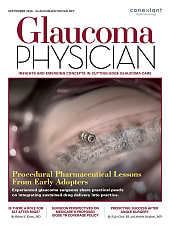


Clinical Scorecard: Understanding OSD in Glaucoma Patients
At a Glance
| Category | Detail |
|---|---|
| Condition | Ocular Surface Disease (OSD) in Glaucoma Patients |
| Key Mechanisms | Medication side effects, increased tear film evaporation, frequent dosing, existing dry eye conditions, surgical interventions. |
| Target Population | Glaucoma patients, particularly those on long-term medication regimens. |
| Care Setting | Ophthalmology clinics and vision care practices. |
Key Highlights
- Glaucoma medications can exacerbate ocular surface disease (OSD).
- Preservatives like benzalkonium chloride (BAK) contribute to ocular surface toxicity.
- Patient adherence to medication is crucial for IOP control and visual outcomes.
- Open communication between patients and healthcare providers is essential for managing symptoms.
- Tailored treatment options can minimize OSD impact.
Guideline-Based Recommendations
Diagnosis
- Recognize symptoms of OSD in glaucoma patients, including dryness and discomfort.
Management
- Consider preservative-free formulations or alternative delivery systems for glaucoma medications.
Monitoring & Follow-up
- Regularly assess ocular health and symptoms related to medication side effects.
Risks
- Increased risk of vision loss due to non-compliance with glaucoma medications.
Patient & Prescribing Data
Patients with glaucoma requiring long-term medication.
Medication adherence is linked to better visual outcomes and reduced need for surgical interventions.
Clinical Best Practices
- Educate patients about the relationship between glaucoma medications and ocular surface health.
- Encourage patients to report any ocular symptoms to facilitate timely interventions.
- Implement strategies to minimize the adverse effects of glaucoma medications on the ocular surface.
Related Resources & Content
This content is an AI-generated, fully rewritten summary based on a published scholarly article. It does not reproduce the original text and is not a substitute for the original publication. Readers are encouraged to consult the source for full context, data, and methodology.